
Although the days are shortening and you may feel there’s no reason to be in the garden, Richard Orton of Lewis Cottage Garden says there are still plenty of jobs to keep you busy outside. Getting ahead by preparing for next year will keep you physically fit and improve your mental health too.
Make use of this more dormant time of year to prepare for next season. Tidying, repairing, sowing and cleaning now will save time in the spring when the good weather returns. Plant bulbs such as daffodils, tulips, crocus and alliums now for colourful displays in spring.
We stopped planting tulips because squirrels were eating the bulbs in winter and the bulbs tended to rot when transferred to the borders the following year, but mainly because of the expense. But a couple of years ago we decided to try the smaller species tulips. They have successfully naturalised in the paddock and put on a cheery display, increasing in number each year.
We are growing sweet peas in over 100 pots, five seeds in each, mostly gathered from the garden, filling the greenhouse. With the recent warm weather they have already germinated and are mostly 3 inches tall. A quick pinching out and they will be ready to overwinter for spring planting. A gardener friend sows sweet peas in a heated greenhouse and regularly has them in flower by the end of March. However, mice love sweet pea seeds and if not covered until they germinate the mice will dig them up and eat them. Cover them with sheets of glass or perspex until they are a few centimetres tall. Then remove the glass and pinch them out if they get tall too soon.
Last year, we experimented with sowing onion, shallot and garlic sets in individual pots and only planting them out when the root system had developed sufficiently for the pot to be gently root bound. I was sceptical at first but there was a 100% success rate; none of the plants rotted off and the harvest yielded large, evenly sized bulbs.
Plants continue to grow and over in the nursery I’ve been potting up cuttings taken in August. The cuttings were planted in a pot of peat-free compost, watered and placed in a large resealable freezer bag. The closed bag effectively creates a mini greenhouse and the humidity encourages the cuttings to root over the following weeks.
Regularly check and remove any vegetation that dies off to minimise the risk of disease. A quick look at the bottom of the pot will show when a network of roots has developed sufficiently to pot on the cuttings. Gently separate the cuttings and transfer each one to its own pot and overwinter in a greenhouse or polytunnel. In spring pot them up again or plant out in a spare piece of the garden.
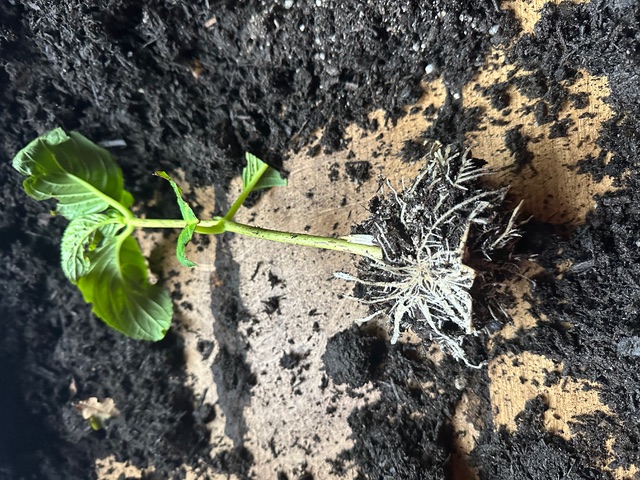
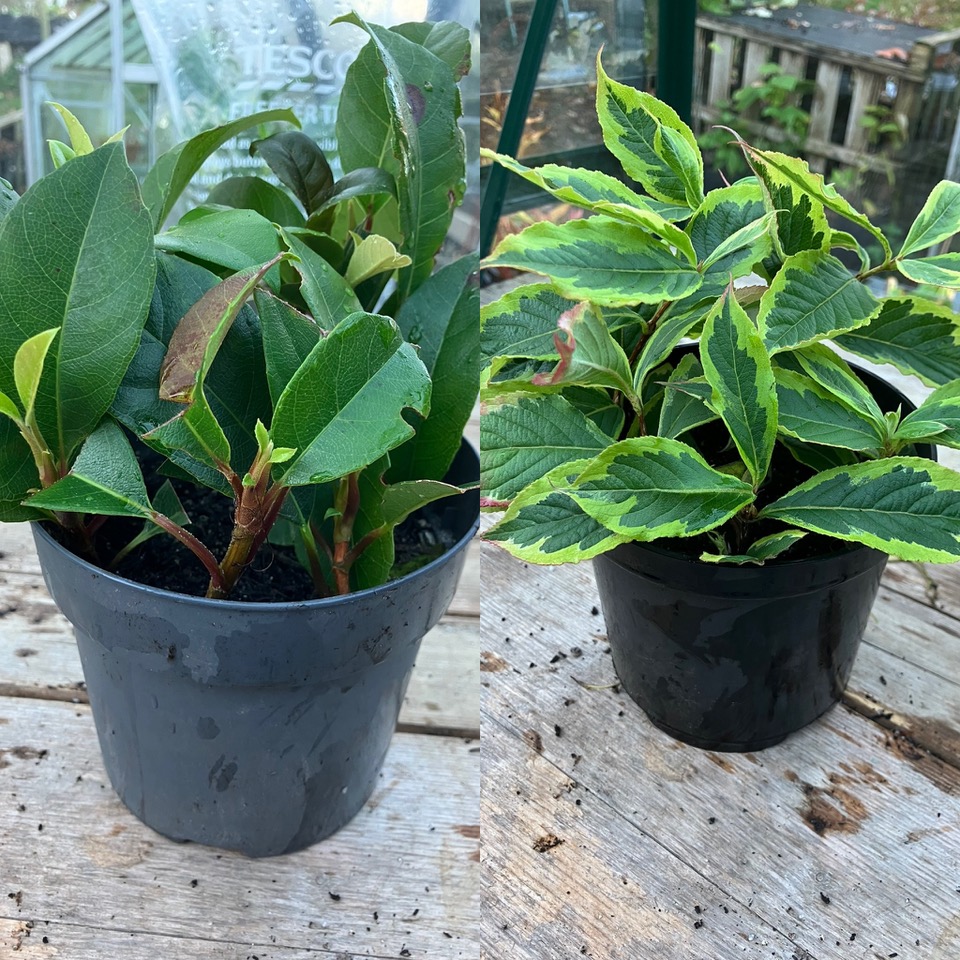
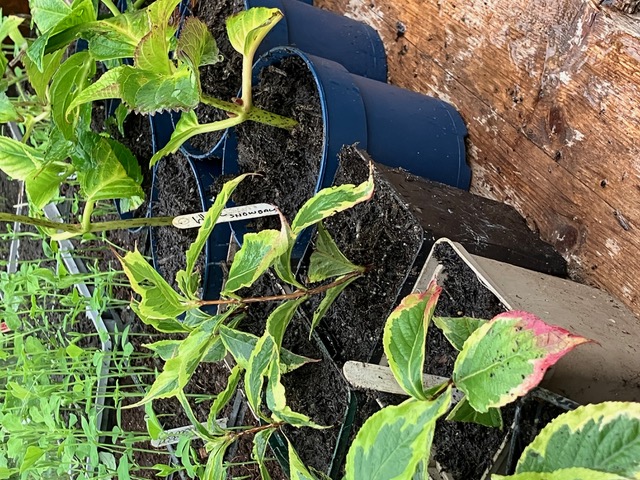
The pictures show hydrangea and weigela, but cuttings of strobilanthes taken this year have also been successful.
Jobs for the month ahead
- Sweep up fallen leaves and compost them ready to use as a mulch in spring.
- Raise up pots of tender perennials left outside to prevent waterlogging. Clay or plastic feet can be bought from your local garden store.
- Lift dahlia tubers, clean them off and store in dry compost in a cool frost-free place.
- Prune roses now to prevent wind-rock damaging the roots. Do a light prune now to remove dead and diseased wood and shorten long stems. Follow this with a hard prune in spring.
- Use scaffolding boards along main access routes to stop soil compacting as you work your plot, particularly in a vegetable garden.
- Raspberry canes and fruit bushes can still be planted
- Clean and disinfect empty greenhouses and polytunnels to maximise light during the short days of winter and minimise infections. Check for broken panes and replace them
- Reuse spent compost from annual container displays as a mulch on your garden beds and borders
- Create bins for composting fallen leaves and dead plant material. Shred fallen leaves to help them rot down quickly.
- Clean out water butts and let the autumn rains refill them.
- Trim evergreen hedges before the bad weather sets in, so they are neat and tidy for the winter.
More information on the garden at Lewis Cottage can be found here
More from


