
Despite the incessant rain and saturated soil, there are some uplifting signs of spring in the Lewis Cottage Garden, near Spreyton. The crocuses are in full bloom, there is a bumper display of daffodils and the camelia are dripping with flower buds, as Richard Orton reports.
Will this rain ever stop? The ground here at the cottage is so saturated that the winterbourne (an intermittent stream that is dry during the summer months) at the bottom of the garden looks like you could go white water rafting and the pond is so full we’re having to watch that it doesn’t burst the dam at its far end.
But there are signs of spring all around. The species tulips planted some years ago have now multiplied and look healthy. There are blue crocus in full bloom among the still dormant camassia, and the autumn weather last year must have been perfect for daffodils - I’ve never seen so many as this year.
That we’ve had few frosts means that we may have a wonderful show of camellia and rhododendron this year. All are dripping with flower buds in many colours: white, pink, double, single, pink and white striped and a double red that goes from strength to strength each year.

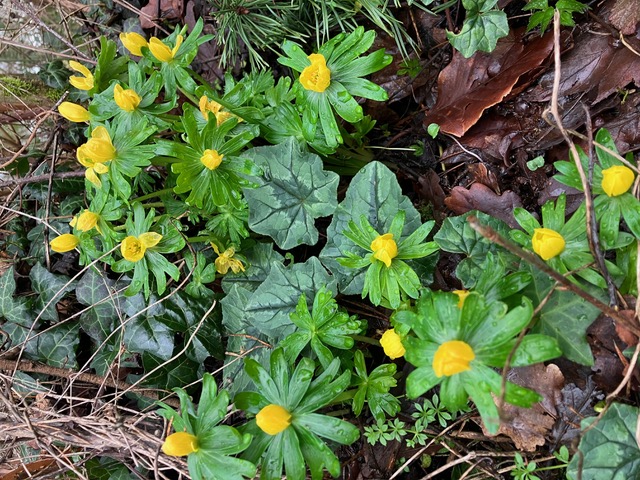
Additional light in autumn and winter from renovating some hedges seems to have encouraged the winter acconites to spread, but also some cyclamen. There is one that has wonderful silvery leaves which helps it standout from the ivy and comfrey that surround it, and beneath a crab apple tree are the first leaves of forget-me-not.

In the new heated plant house (conservatory) seed sowing is beginning in earnest. The addition of new windows and a heated floor will allow earlier seed sowing. This year, plug plants for tomatoes, lettuce and cucumbers were purchased, but most other vegetables will be grown from seed. A deep windowsill will take at least a dozen seed trays and allow me to keep an eye on them. On the other side of the plant house the pelargoniums from outside last summer are doing well sitting on the warm floor. They can be pruned back to shape in a month or so and moved to the greenhouse to acclimatise. Suitable cuttings will be potted up and used as pot fillers for the summer, then grown on as new plants for next year.
Potting up the houseplants a little earlier than usual has had an effect. About ten days after repotting and feeding them I noticed that the plants looked worse than before. By feeding the plants at the same time as repotting into new compost I’d effectively put them on steroids. The roots had taken up the double dose of food and had started putting their energy into producing new growth at the expense of existing leaves. Three weeks on and the plants are all looking great again. Our prized Pelargonium tomentosum that we struggle to keep from year to year really looked poorly until a few days ago.
Top tips for the coming month
- Plant shallots and onion sets (we had great success last year using modules to start sets off rather than planting directly into the vegetable patch). Do the same with leeks, salads, spinach and chard on a sunny windowsill indoors.
- Prune early flowering clematis once the flowers have finished and summer flowering ones before they start into active growth.
- Sort your seeds by sowing date, month by month.
- If you don’t already have one, install a water butt.
- Prune bush and climbing roses.
- Top dress planters and containers with fresh compost.
- Put in plant supports before the growing season begins in earnest.
- Cut back plants grown for their coloured winter stems such as cornus and willow. You can be brutal with these and cut them almost down to the base, it will stimulate growth for more coloured stems next year.
Further information on the garden at Lewis Cottage and plant sales can be found here


